
Oklahoma Casino Guide - Tribal Casinos, Regions & Gaming Types
Oklahoma is home to more than 140 tribal casinos operated by 35 federally recognized tribal nations, making it the largest tribal gaming market in the United States. This guide provides a statewide overview of casino regions, tribal operators, gaming types, and major destinations, along with links to deeper resources across our Oklahoma gaming resources.
Quick Navigation
Overview of Tribal Gaming in Oklahoma
Oklahoma hosts one of the largest and most influential tribal gaming markets in the United States, with more than 140 casinos operated by 35 federally recognized tribes. Every casino in the state - from small community venues to massive resort destinations - is tribally owned and operated, forming a gaming ecosystem rooted in sovereignty, economic development, and decades of compact-driven growth.
The state's casino landscape is shaped by three defining pillars:
- Tribal ownership ensuring all gaming activity is governed by sovereign nations.
- State-tribal compacts authorizing Class III gaming and establishing exclusivity fees.
- Regional diversity with major casino clusters in the Oklahoma City metro, Tulsa region, and along the Texas border.
This 2026 guide provides a structured, comprehensive look at Oklahoma's tribal casinos, including operator directories, rankings, gaming types, sports betting status, new developments, and practical visitor information. It serves as the authoritative starting point for anyone researching or visiting Oklahoma's gaming destinations.
Oklahoma News Navigation
Explore statewide news covering tribal gaming, sports betting, construction updates, and casino developments across Oklahoma.
Key Facts Overview
Oklahoma's tribal gaming market is one of the largest in the United States. These fast facts give visitors a quick, authoritative snapshot of the state's casino landscape.
- Total Casinos - More than 140 tribal casinos statewide.
- Tribal Operators - 35 federally recognized tribes own and operate every casino in Oklahoma.
- Largest Casino - WinStar World Casino, the largest gaming floor in the world.
- Gaming Types - Mix of Class II (bingo-based machines) and Class III (Vegas-style slots & table games).
- Exclusivity Fees - Tribal nations pay more than $200 million annually to the state under gaming compacts.
Oklahoma Casino Guide Topics
Oklahoma Casino Guide Topics
Oklahoma Tribal Casino Landscape
Oklahoma's casino industry is entirely tribally owned and operated, creating one of the most robust and diverse gaming markets in the United States. All gaming activity is governed by sovereign tribal nations, each managing its own regulatory systems, economic priorities, and development strategies. This structure makes Oklahoma unique among major gaming states.
The foundation of the state's gaming landscape is built on three core elements:
- Tribal Sovereignty - Every casino is operated by a federally recognized tribe, ensuring gaming decisions remain under tribal authority.
- State-Tribal Compacts - These agreements authorize Class III gaming, establish exclusivity fees, and define the regulatory relationship between tribes and the state.
- Regional Casino Clusters - Major concentrations of casinos exist in the Oklahoma City metro, Tulsa region, and along the Texas border, each shaped by local demand and tribal development.
With 35 tribes operating more than 140 casinos, Oklahoma's gaming landscape is defined by scale, diversity, and continuous growth. From large resort destinations to smaller community casinos, each tribal nation contributes to a statewide network of entertainment, employment, and economic impact.
Play Hot Drop Jackpots!
Hourly Daily Epic Jackpots
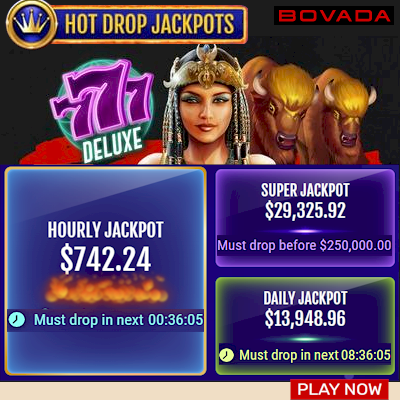
Jackpots 24/7, 1 every hour, 1 every day, and 1 before the pot hits $250K! BOVADA

Largest Casinos in Oklahoma
Visit our page, Oklahoma's 10 Largest Casinos, for the top casinos based on gaming square-footage, number of slot machines, number of table games, and humber of poker tables.
The list of largest casino begins with three major resorts:
1. WinStar World Casino & Resort
Operated by the Chickasaw Nation, WinStar World Casino & Resort is the largest casino in the world.
View Casino
2. Choctaw Casino & Resort Durant
The flagship resort of the Choctaw Nation includes a massive casino, multiple hotel towers, a major events center, and a family entertainment complex.
View Casino<
3. River Spirit Casino Resort
Managed by the Muscogee (Creek) Nation, River Spirit Casino Resort offers a large hotel tower, multiple dining options, and the Margaritaville entertainment complex.
View Casino

Casino Regions in Oklahoma
Casinos in Oklahoma are grouped into five major regions. This structure helps visitors explore gaming destinations based on travel routes, tribal jurisdictions, and geographic clusters.
Southern Oklahoma
Southern Oklahoma is home to several of the state's largest casino resorts, including WinStar World Casino and multiple Chickasaw Nation properties along the I-35 corridor.
Eastern Oklahoma
Eastern Oklahoma features major Cherokee, Muscogee (Creek), Osage, and Quapaw Nation casinos, including Hard Rock Tulsa, River Spirit, and numerous regional gaming centers.
Central Oklahoma
Central Oklahoma includes casinos operated by the Absentee Shawnee, Iowa, Kickapoo, and Citizen Potawatomi Nations, along with several Muscogee (Creek) Nation properties.
Western Oklahoma
Western Oklahoma is home to casinos operated by the Cheyenne & Arapaho Tribes, Kiowa Tribe, and Apache Tribe, including the Lucky Star Casino network and multiple regional gaming centers.
Northern Oklahoma
Northern Oklahoma includes casinos operated by the Osage, Otoe-Missouria, Ponca, Tonkawa, and Kaw Nations, with properties ranging from large regional casinos to travel plaza gaming.
For a complete list of casinos in each region, follow this link:
Oklahoma Casino Regional Directory ➤Casinos by Tribal Nation
Oklahoma's tribal nations operate casinos across the state, ranging from large resort properties to community gaming centers and travel plaza casinos. Each nation contributes to the state's cultural, economic, and tourism landscape.
Oklahoma's casino industry is built entirely on tribal ownership. Each gaming property is operated by a federally recognized tribal nation, creating a diverse landscape of resorts, regional casinos, and community gaming centers. Organizing casinos by tribal nation helps visitors understand the structure of the market and highlights the major operators shaping the state's gaming economy.
Cherokee Nation
The Cherokee Nation operates a large network of casinos across northeastern Oklahoma, including Hard Rock Hotel & Casino Tulsa, one of the state's premier entertainment destinations. Their portfolio blends full-scale resorts with smaller regional casinos serving local communities.
Choctaw Nation
The Choctaw Nation is known for major resort development, most notably Choctaw Casino & Resort Durant. With multiple expansions over the past decade, Choctaw properties attract visitors from across Oklahoma and North Texas.
Chickasaw Nation
The Chickasaw Nation operates WinStar World Casino & Resort, the largest casino floor in the world. Their network includes numerous regional casinos throughout southern Oklahoma, offering a mix of Class II and Class III gaming.
Muscogee (Creek) Nation
The Muscogee (Creek) Nation manages several casinos in eastern Oklahoma, including River Spirit Casino Resort in Tulsa. Their properties feature gaming, entertainment venues, and hotel accommodations.
Citizen Potawatomi Nation
The Citizen Potawatomi Nation operates FireLake Casino and FireLake Entertainment Center, serving the central Oklahoma region with gaming, bowling, and family-friendly amenities.
Other Tribal Operators
In addition to the major nations listed above, numerous other tribes operate casinos across the state. These properties range from small gaming centers to mid-sized casinos offering slots, bingo, and limited amenities.
Casino Directory by Tribe ➤
Full Casino Directory ➤


Class II vs Class III Gaming in Oklahoma
Oklahoma's tribal casinos offer a mix of Class II and Class III gaming, each defined by federal law under the Indian Gaming Regulatory Act (IGRA). Understanding the difference between these two categories helps visitors know what types of games to expect at various casinos across the state.
Class II Gaming
Class II gaming includes bingo and bingo-based electronic machines. These games determine outcomes using bingo or pull-tab mechanics, even when the machines resemble traditional slot games. Class II gaming does not require a state-tribal compact, allowing tribes to operate these machines independently under federal regulation.
- Electronic bingo machines
- Pull-tab games
- Non-banked card games (players compete against each other)
Class II machines are widely used across Oklahoma, especially in smaller casinos and gaming centers. They offer fast play and slot-style graphics while maintaining bingo-based outcomes.
Class III Gaming
Class III gaming includes traditional casino games such as Vegas-style slot machines, blackjack, roulette, craps, and house-banked card games. These games require a state-tribal compact, which governs how they are regulated and establishes exclusivity fees paid by tribes to the state.
- Vegas-style slot machines
- Blackjack and other table games
- Roulette and craps
- House-banked card games
Class III gaming is available at most major Oklahoma casinos, including WinStar World Casino & Resort, Choctaw Casino & Resort Durant, Hard Rock Hotel & Casino Tulsa, and River Spirit Casino Resort.
Why the Difference Matters
The distinction between Class II and Class III gaming affects the types of games offered, regulatory oversight, and the overall casino experience. Larger resort casinos typically feature both classes of gaming, while smaller properties may rely primarily on Class II machines. For visitors, this means game variety can differ significantly depending on the casino's size and compact status.
Sports Betting in Oklahoma
Sports betting remains one of the most discussed topics in Oklahoma's gaming landscape. Although tribal casinos offer a wide range of Class II and Class III gaming options, legalized sports wagering has not yet been implemented in the state. The issue continues to evolve through legislative proposals, tribal negotiations, and public interest.
Current Legal Status
As of 2026, sports betting is not authorized in Oklahoma. Tribal nations and state officials have explored potential frameworks, but no compact amendments or statewide legislation have been finalized to allow retail or mobile sports wagering.
Tribal Perspectives
Many tribal nations have expressed interest in offering sports betting as an extension of their existing gaming operations. Tribes emphasize that any sports wagering system must respect sovereignty, maintain compact integrity, and ensure that tribal nations retain control over gaming activities within their jurisdictions.
Legislative Activity
Multiple bills have been introduced in recent years to establish sports betting in Oklahoma, including proposals for tribal-operated retail sportsbooks and statewide mobile wagering. While discussions have gained momentum, lawmakers and tribal leaders have not yet reached a comprehensive agreement.
Potential Future Developments
If sports betting is approved, major tribal casinos such as WinStar World Casino & Resort, Choctaw Casino & Resort Durant, Hard Rock Hotel & Casino Tulsa, and River Spirit Casino Resort are expected to be early adopters. These properties already feature large entertainment venues and guest amenities that could support sportsbook operations.
Until legislation and compact amendments are finalized, sports betting remains a developing issue closely watched by tribal nations, state officials, and casino visitors.
Read the latest news and updates on Oklahoma sports betting:
Sports betting updates ➤New Casino Developments & Expansions
Oklahoma's tribal gaming market is in an active construction and expansion cycle, with major resort projects, new hotel towers, and upgraded amenities reshaping key properties across the state. This page tracks recent expansions, casinos currently under construction, and long-term development plans by tribal nation.
New Oklahoma Casinos (2026)

Lucky Star Casino Elk City Resort
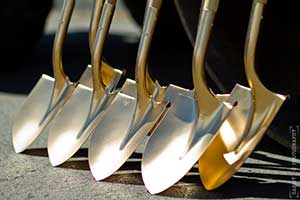
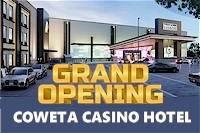
Lucky Star Casino in Elk City is currently the only new casino under construction in Oklahomas. The Cheyenne and Arapaho Tribes have broken ground on a major new Lucky Star Casino resort in Elk City. The first phase pairs a 56,000-square-foot casino with a 100-room hotel, creating a new regional destination in western Oklahoma.
Casino Expansion Projects
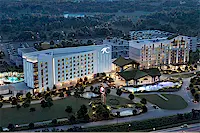
Choctaw Casino & Resort - Pocola Hotel Tower
The Choctaw Nation has launched a $140 million expansion at Choctaw Casino & Resort - Pocola, centered on a new seven-story hotel tower adding approximately 130 guest rooms, a resort-style pool, full-service spa, 24-hour fitness center, and upgraded casino floor. The project will roughly double hotel capacity and reposition Pocola as a destination resort near the Arkansas border.
Other Long-Term Development Trends
Across Oklahoma, tribal nations are increasingly focused on hotel towers, entertainment venues, and non-gaming amenities rather than simply expanding slot floors. New projects emphasize resort-style experiences, extended stays, and regional tourism, reflecting a broader shift in tribal gaming strategy toward hospitality-driven growth.
Oklahoma's tribal gaming market continues to evolve through major resort upgrades, new casino construction, and long-term development planning. Several flagship properties have completed significant expansions in recent years, while others are actively building new facilities or preparing future projects. These efforts reflect strong regional demand and the ongoing commitment of tribal nations to enhance entertainment offerings across the state.
Economic Impact of Tribal Gaming in Oklahoma
Tribal gaming plays a central role in Oklahoma's economy, generating billions in annual revenue, supporting tens of thousands of jobs, and funding essential services across dozens of tribal nations. With more than 140 gaming facilities statewide, Oklahoma is one of the largest tribal gaming markets in the United States, and its economic influence extends far beyond casino floors.
Revenue Generation and Market Scale
Oklahoma's tribal casinos collectively generate billions in gaming revenue each year, making the state one of the top tribal gaming jurisdictions in the country. These funds support tribal government operations, community programs, and long-term economic development initiatives.
Employment and Workforce Development
Tribal casinos are major employers in Oklahoma, providing tens of thousands of jobs across gaming operations, hospitality, entertainment, food service, security, and administrative roles. Many tribal nations also offer workforce training programs that help employees build long-term careers in hospitality and management.
Community and Government Funding
Revenue from tribal gaming supports a wide range of essential services, including healthcare, education, housing, infrastructure, and cultural preservation. These investments strengthen tribal communities and contribute to broader regional development across the state.
Statewide Economic Contributions
Through exclusivity fees established in state-tribal compacts, tribal nations contribute hundreds of millions of dollars to the State of Oklahoma. These funds support public education and other statewide initiatives, creating a direct economic link between tribal gaming and state services.
Tourism and Regional Growth
Major resort casinos such as WinStar World Casino & Resort, Choctaw Casino & Resort - Durant, Hard Rock Hotel & Casino Tulsa, and River Spirit Casino Resort attract millions of visitors annually. \This tourism activity supports hotels, restaurants, retail businesses, and entertainment venues throughout the surrounding regions.
Long-Term Development Impact
Ongoing construction projects, new casino developments, and large-scale expansions continue to drive economic growth across Oklahoma. These investments create construction jobs, expand hospitality capacity, and position tribal nations as key contributors to the state's long-term economic landscape.
Play Hot Drop Jackpots!
Hourly Daily Epic Jackpots
Jackpots 24/7, 1 every hour, 1 every day, and 1 before the pot hits $250K! BOVADA
Casino Amenities & Entertainment
Oklahoma's largest tribal casinos offer far more than gaming. These properties have evolved into full-scale entertainment destinations featuring hotels, restaurants, concert venues, golf courses, pools, spas, and family-friendly attractions. Amenities vary by property, but the state's major resorts consistently deliver a wide range of experiences designed to attract both overnight guests and regional visitors.
Hotel Accommodations
Many of Oklahoma's largest casinos feature multiple hotel towers with hundreds of guest rooms and suites. Properties such as WinStar World Casino & Resort, Choctaw Casino & Resort - Durant, Hard Rock Hotel & Casino Tulsa, and River Spirit Casino Resort offer resort-style lodging with upgraded rooms, premium suites, and on-site amenities designed for extended stays.
Dining & Culinary Options
Dining has become a major focus for tribal casinos across the state. Guests can choose from casual eateries, buffets, sports bars, steakhouses, and chef-driven restaurants. Larger resorts often feature multiple dining venues, including nationally recognized brands and unique concepts developed by the tribal nations themselves.
Entertainment Venues
Concert halls, theaters, and event centers are central attractions at many Oklahoma casinos. Major venues such as WinStar's Global Event Center, Choctaw's Grand Theater, Hard Rock's concert stages, and River Spirit's Margaritaville entertainment complex regularly host national touring acts, comedy shows, and special events.
Nightlife & Lounges
Bars, lounges, and nightlife venues provide additional entertainment options for guests. Many casinos offer live music, dance floors, themed bars, and late-night venues that complement the gaming experience and attract weekend visitors.
Golf Courses & Outdoor Recreation
Several major casinos offer outdoor recreation amenities, including championship golf courses, resort pools, cabanas, and landscaped outdoor areas. WinStar's two 18-hole golf courses and River Spirit's pool complex are among the most notable examples.
Family-Friendly Attractions
Many tribal casinos have expanded their offerings to include family-friendly entertainment such as arcades, bowling, movie theaters, and dedicated kids' zones. These amenities help broaden the appeal of casino resorts and support multi-generational tourism.
Shopping & Retail
Gift shops, boutiques, and branded retail stores are common at larger properties. These shops offer apparel, souvenirs, accessories, and specialty items that enhance the overall resort experience.
Spa & Wellness
Several casinos feature full-service spas, salons, and wellness centers offering massages, skincare treatments, and relaxation amenities. These services support extended stays and appeal to guests seeking a resort-style experience.
With a wide range of amenities and entertainment options, Oklahoma's tribal casinos continue to evolve into comprehensive resort destinations that attract millions of visitors each year.
Responsible Gaming Resources
Oklahoma's tribal nations and casino operators maintain strong commitments to responsible gaming. These programs support players, promote healthy gaming habits, and provide assistance to individuals who may be experiencing gambling-related challenges. Resources are available statewide through tribal initiatives, state partnerships, and national support organizations.
Tribal Responsible Gaming Programs
Many tribal nations in Oklahoma operate their own responsible gaming initiatives. Casinos provide on-site materials, trained staff, and voluntary exclusion options to help individuals manage their gaming activity.
Voluntary Self-Exclusion
Most Oklahoma casinos offer voluntary self-exclusion programs that allow individuals to restrict their access to gaming facilities for a set period of time. These programs are confidential and designed to support guests who feel they need a break from gaming.
Statewide Support Services
Oklahoma partners with several organizations to provide statewide assistance for problem gambling. These services include counseling, helplines, treatment referrals, and educational resources for individuals and families.
- Oklahoma Department of Mental Health & Substance Abuse Services
- Oklahoma Association on Problem Gambling & Gaming
- National Problem Gambling Helpline (1-800-GAMBLER)
National Support Organizations
Guests seeking additional help can access national resources dedicated to prevention, treatment, and recovery. These organizations offer 24-hour helplines, online tools, and confidential support services.
Casino Staff Training
Tribal casinos across Oklahoma train employees to recognize signs of problem gambling and provide appropriate assistance. Staff members are equipped to offer information, connect guests with resources, and support responsible gaming practices throughout the property.
Responsible gaming remains a core priority for Oklahoma's tribal nations, ensuring that casino entertainment is enjoyed safely and sustainably by all guests.
Casino Locations & Regional Overview
Oklahoma's tribal casinos are located across every region of the state, from major resort destinations near the Texas border to mid-sized properties serving rural communities. This regional distribution reflects the diversity of Oklahoma's tribal nations and provides gaming access to millions of residents and visitors each year.
Southern Oklahoma
Southern Oklahoma is home to some of the largest and most visited casinos in the United States. WinStar World Casino & Resort and Choctaw Casino & Resort - Durant anchor this region, drawing significant tourism from North Texas and surrounding states. These properties offer extensive gaming, hotel accommodations, entertainment venues, and resort amenities.
Eastern Oklahoma
Eastern Oklahoma features a mix of large resort casinos and mid-sized properties operated by tribal nations such as the Cherokee Nation, Muscogee (Creek) Nation, and Choctaw Nation. Major destinations include Hard Rock Hotel & Casino Tulsa and River Spirit Casino Resort, both of which serve as entertainment hubs for the Tulsa metropolitan area.
Central Oklahoma
The central region includes casinos located near the Oklahoma City metro area, including Riverwind Casino and several mid-sized properties operated by tribal nations such as the Citizen Potawatomi Nation and Absentee Shawnee Tribe. These casinos serve both local residents and travelers passing through the state's largest urban center.
Western Oklahoma
Western Oklahoma is home to a growing number of casinos operated by the Cheyenne and Arapaho Tribes and other tribal nations. New developments, including the Lucky Star Casino resort in Elk City, continue to expand gaming and entertainment options in this region.
Northern Oklahoma
Northern Oklahoma features casinos operated by tribal nations such as the Osage Nation, Otoe-Missouria Tribe, and Ponca Tribe. These properties range from smaller community casinos to larger facilities located near regional population centers.
Statewide Accessibility
With more than 140 tribal gaming facilities across Oklahoma, casino entertainment is accessible in nearly every part of the state. This widespread distribution supports local economies, provides employment opportunities, and contributes to regional tourism throughout Oklahoma.
Casino Regulations & Tribal-State Compacts
All tribal casinos in Oklahoma operate under federally recognized tribal-state gaming compacts. These agreements define the types of gaming allowed, establish regulatory standards, and outline the financial relationship between tribal nations and the State of Oklahoma. Together, the compacts form the legal foundation for one of the largest tribal gaming markets in the United States.
Federal Regulatory Framework
Tribal gaming in Oklahoma is governed by the Indian Gaming Regulatory Act (IGRA), a federal law enacted in 1988. IGRA establishes three classes of gaming, sets national regulatory standards, and requires tribal nations to negotiate compacts with their respective states for Class III gaming. The National Indian Gaming Commission (NIGC) oversees compliance, audits, and enforcement.
Oklahoma Tribal-State Gaming Compacts
Oklahoma's tribal-state compacts authorize Class III gaming, including slot machines, table games, and certain forms of electronic gaming. These compacts outline operational requirements, regulatory responsibilities, and exclusivity fees paid by tribal nations to the state. Compacts are negotiated individually but share common terms across most tribes.
Exclusivity Fees
Under the compacts, tribal nations pay exclusivity fees to the State of Oklahoma in exchange for the exclusive right to operate Class III gaming within the state. These fees support public education and other statewide initiatives. The exclusivity structure helps maintain a stable regulatory environment and supports long-term economic development.
Regulatory Oversight
Tribal gaming operations are regulated through a combination of tribal gaming commissions, the NIGC, and state oversight mechanisms established in the compacts. Tribal gaming commissions manage licensing, compliance, and internal controls, while federal and state agencies provide additional layers of review and enforcement.
Class II vs. Class III Gaming
Class II gaming, such as bingo and certain electronic bingo-based games, does not require a tribal-state compact and is regulated primarily at the tribal and federal levels. Class III gaming, which includes traditional slot machines and table games, requires a compact and is subject to additional regulatory standards and oversight.
Compact Renewals & Negotiations
Oklahoma's gaming compacts include renewal provisions that allow tribal nations and the state to update terms as needed. Negotiations may address regulatory changes, exclusivity fees, gaming technology, and new forms of gaming such as sports betting. These discussions play a key role in shaping the future of Oklahoma's gaming landscape.
Through federal law, tribal sovereignty, and state partnerships, Oklahoma's regulatory framework supports a stable and well-regulated gaming environment that benefits tribal nations, local communities, and the state as a whole.
Glossary of Gaming Terms
This glossary provides clear definitions of common gaming terms used throughout Oklahoma's tribal casino industry. These explanations help readers understand regulatory language, gaming classifications, and casino operations referenced in this guide.
Class II Gaming
Gaming defined under the Indian Gaming Regulatory Act (IGRA) that includes bingo, bingo-based electronic games, and certain non-banked card games. Class II gaming does not require a tribal-state compact.
Class III Gaming
Traditional casino gaming authorized through tribal-state compacts. Class III gaming includes slot machines, table games, and other forms of electronic gaming not classified as Class II.
Compact
A formal agreement between a tribal nation and a state that authorizes Class III gaming and outlines regulatory responsibilities, exclusivity fees, and operational standards.
Exclusivity Fee
A fee paid by tribal nations to the State of Oklahoma in exchange for the exclusive right to operate Class III gaming within the state. These funds support public education and other statewide initiatives.
Indian Gaming Regulatory Act (IGRA)
A federal law enacted in 1988 that establishes the regulatory framework for tribal gaming in the United States, including gaming classifications and oversight requirements.
National Indian Gaming Commission (NIGC)
The federal agency responsible for regulating tribal gaming operations, ensuring compliance with IGRA, and overseeing audits, licensing, and enforcement.
Slot Machine
An electronic gaming device that offers randomized outcomes based on software-driven mechanics. In Oklahoma, slot machines may be Class II or Class III depending on their design and regulatory classification.
Table Game
A casino game played at a table with a dealer or automated system. Examples include blackjack, roulette, craps, and baccarat. Table games are authorized under Class III gaming.
Bingo-Based Electronic Game
An electronic gaming device that uses a bingo or lottery-style draw to determine outcomes. These games fall under Class II gaming and are widely used in Oklahoma casinos.
Player's Club
A loyalty program offered by casinos that rewards guests with points, promotions, discounts, and other benefits based on their gaming activity.
Voluntary Self-Exclusion
A responsible gaming program that allows individuals to restrict their access to casino gaming areas for a designated period of time. This program is confidential and designed to support guests seeking assistance.
Resort Casino
A large-scale casino property offering hotel accommodations, dining, entertainment venues, pools, spas, and other amenities in addition to gaming.
This glossary will be updated as new terms, technologies, and regulatory developments emerge within Oklahoma's tribal gaming industry.
Frequently Asked Questions
This FAQ section addresses common questions about Oklahoma's tribal casinos, gaming regulations, amenities, and statewide gaming landscape. These answers provide quick guidance for readers seeking essential information without navigating the full guide.
What is the minimum gambling age in Oklahoma?
Minimum gambling ages are 21 years old for casinos, 18 years at tribal casinos without alcohol license, 21 for poker, 18 poker at tribal casinos without alcohol license, 16 for bingo, 18 for horse racing, 18 for the lottery.
Are all casinos tribally owned?
Yes. All casinos in Oklahoma are tribally owned and operated.
What casino games are legal??
All Indian gaming is governed by the U.S. Indian Gaming Regulatory Act (IGRA) and regulated by the National Indian Gaming Commission (NIGC), an agency of the U.S. Department of Interior.
Casinos are built on tribal land or off-reservation land that has been placed in trust with the federal government. Prior to construction each tribe must negotiate a gaming compact with the state defining the games played at the casino, operating hours, and the share the revenue paid to the state.
OKLAHOMA ALLOWED GAMES
- SLOT MACHINES - Oklahoma allows two types: Class II which is player-banked, and Class III which is house banked. Class III is referred to as Vegas-style slots.
- CARD GAMES - Blackjack, Poker, Pai Gow Poker, Let It Ride and Three Card Poker.
- CRAPS & ROULETTE - Authorized in April 2018. Effective in late 2018.
- OTHER - Bingo, Off-Track Betting
How many casinos are in Oklahoma?
Oklahoma has more than 140 tribal gaming facilities, ranging from small community casinos to large resort destinations. This makes Oklahoma one of the largest tribal gaming markets in the United States.
Who operates the casinos in Oklahoma?
All casinos in Oklahoma are owned and operated by federally recognized tribal nations. More than 30 tribes participate in gaming operations across the state.
What types of gaming are allowed?
Oklahoma casinos offer Class II and Class III gaming. Class II gaming includes bingo and bingo-based electronic games, while Class III gaming includes traditional slot machines, table games, and certain electronic games authorized through tribal-state compacts.
Is sports betting legal in Oklahoma?
Sports betting is not currently legal in Oklahoma. Legislative proposals and tribal-state negotiations continue, but no authorized sports wagering is available at this time.
What is the largest casino in Oklahoma?
WinStar World Casino & Resort, operated by the Chickasaw Nation near the Texas border, is the largest casino in Oklahoma and one of the largest in the world.
Do Oklahoma casinos offer hotel accommodations?
Many of the state's largest casinos offer full-service hotels, including multiple towers, resort pools, spas, and entertainment venues. Smaller casinos may offer limited lodging or partner with nearby hotels.
Are Oklahoma casinos open 24 hours?
Most major casinos in Oklahoma operate 24 hours a day, seven days a week. Hours may vary at smaller regional properties.
Do casinos serve alcohol?
Yes. Most casinos in Oklahoma serve alcohol, including bars, lounges, and restaurants. Policies may vary by property and tribal nation.
Are children allowed in casinos?
Children are allowed in non-gaming areas such as hotel towers, restaurants, entertainment venues, and designated family attractions. Guests must be 18 or 21 years old-depending on the property-to enter gaming areas.
 #1 Favorite Casino
New Games • Slots • Hot Drop Jackpots • Tables • Blackjack
➤ $3,750 Welcome Bonus!
BOVADA CASINO
Additional Resources & Further Reading
Readers seeking more information about Oklahoma's tribal gaming industry, regulatory framework, and economic impact can explore the following resources. These organizations, reports, and reference materials offer detailed insights into tribal sovereignty, gaming operations, and statewide development trends.
Federal & Regulatory Resources
- National Indian Gaming Commission (NIGC) - Federal regulatory agency overseeing tribal gaming operations across the United States.
- Bureau of Indian Affairs (BIA) - Provides information on tribal sovereignty, federal recognition, and tribal governance.
- Indian Gaming Regulatory Act (IGRA) - Full text of the federal law governing tribal gaming.
Oklahoma Tribal & State Resources
- Oklahoma Department of Mental Health & Substance Abuse Services - Statewide support services including problem gambling resources.
- Oklahoma Association on Problem Gambling & Gaming - Statewide organization offering education, prevention, and treatment resources.
- Oklahoma Historical Society - Background information on tribal nations, state history, and cultural development.
Tribal Government & Gaming Information
- Choctaw Nation of Oklahoma - Information on tribal government, economic development, and casino operations.
- Chickasaw Nation - Details on tribal enterprises including WinStar and Riverwind Casino.
- Cherokee Nation - Tribal governance, business development, and Hard Rock Hotel & Casino Tulsa information.
- Osage Nation - Updates on regional casino projects and tribal development initiatives.
Industry Reports & Research
- National Congress of American Indians (NCAI) - Research and policy resources related to tribal sovereignty and economic development.
- Smithsonian National Museum of the American Indian - Cultural and historical context for tribal nations across the United States.
- Pew Research Center - Independent research on demographics, economics, and public policy affecting tribal communities.
These resources provide additional context and support for readers interested in learning more about tribal gaming, regulatory structures, and the broader role of tribal nations in Oklahoma's economy and cultural landscape.
About This Guide
This Oklahoma Casino Guide is designed to provide a comprehensive, structured overview of the state's tribal gaming industry. It brings together key information on casino locations, gaming regulations, economic impact, amenities, construction projects, and responsible gaming resources. The goal is to offer readers a clear, accurate, and accessible reference that reflects the depth and diversity of tribal gaming across Oklahoma.
Purpose of This Guide
The guide serves as an informational resource for visitors, researchers, industry professionals, and anyone interested in understanding how tribal gaming operates in Oklahoma. It highlights major casino destinations, explains regulatory frameworks, and provides context for ongoing development and expansion projects throughout the state.
Sources & Research
Information in this guide is compiled from publicly available tribal, state, and federal resources, along with verified industry reports and historical records. Tribal nations are the authoritative source for details about their own gaming operations, and readers are encouraged to visit official tribal websites for the most current property-specific information.
Updates & Revisions
This guide is updated periodically to reflect new casino openings, expansions, regulatory changes, and statewide developments. As Oklahoma's gaming landscape continues to evolve, additional sections and resources may be added to ensure the guide remains accurate and relevant.
Contact & Feedback
Readers who wish to suggest updates, request additional information, or provide feedback on this guide may reach out through the site's contact page. Input from tribal representatives, industry professionals, and community members is always welcome.
Thank you for using this Oklahoma Casino Guide as a resource for understanding one of the nation's most dynamic and influential tribal gaming markets.


 $3,750 Casino Bonuses - Hundreds of slot games with jackpots that can climb into six figures. Classic casino games like Blackjack and Roulette, with Live Dealers too. BOVADA.
$4500 Crypto Bonuses - Get $3,750 Casino Welcome Bonus and $750 Sports Bonus! More with crypto at BOVADA.
$3,750 Casino Bonuses - Hundreds of slot games with jackpots that can climb into six figures. Classic casino games like Blackjack and Roulette, with Live Dealers too. BOVADA.
$4500 Crypto Bonuses - Get $3,750 Casino Welcome Bonus and $750 Sports Bonus! More with crypto at BOVADA.
 Live Dealer $3,750 Welcome Bonus
Play Blackjack, Baccarat, Roulette with a live dealer and get $3,750 in Crypto Bonuses at BOVADA!
$500 Poker Welcome Bonuses - "#1 Online Poker Room in U.S. Deep player pools, deep prize pools, hundreds of weekly tournaments at BOVADA
 $750 Sports Welcome Bonus - Live betting, live odds, fun prop bets at BOVADA


Disclaimer: All images are copyright to their respective owners and are used by 500 Nations for informational purposes only.
500 Nations is an independent directory and information service free of any gaming operator's control and not affiliated with any casino.
Warning: You must ensure you meet all age and other regulatory requirements before entering a casino or placing a wager.
There are hundreds of jurisdictions in the world with Internet access and hundreds of different games and gambling opportunities available on the Internet.
Do not assume that Internet gaming sites are in compliance with the rules and regulations of every jurisdiction from which they accept players.
YOU are responsible for determining if it is legal for YOU to play any particular game or place any particular wager under the laws of the jurisdiction where you are located.