
Native American Heritage Month: Building the Future
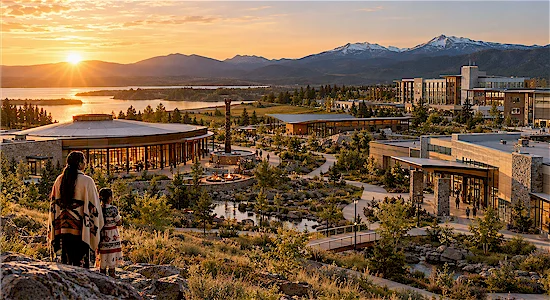
Every November, Native American Heritage Month provides an opportunity to recognize the rich cultures, histories, and contributions of Indigenous peoples throughout the United States. While the observance celebrates the past, it also offers a chance to look toward the future.
Across Indian Country, Tribal Nations are making long-term investments in economic development, education, healthcare, housing, and cultural preservation. New resort destinations, major construction projects, museums, language revitalization programs, and community initiatives are helping tribes strengthen sovereignty and create opportunities for future generations.
As Native American Heritage Month 2026 is observed nationwide, these efforts illustrate how Tribal Nations are not only preserving their heritage, but actively building the future.
Economic Development Strengthening Tribal Sovereignty
Economic development remains one of the most important tools available to Tribal Nations seeking to provide services, create jobs, and promote self-sufficiency. Revenue generated through tribal enterprises often supports government operations, education programs, healthcare services, infrastructure improvements, and cultural initiatives.
Across the country, tribes continue to pursue major development projects designed to diversify their economies and create long-term prosperity.
In California, the Federated Indians of Graton Rancheria continue investing in the growth of Graton Resort & Casino, one of the state's leading tribal gaming and hospitality destinations. The property's continued development reflects how tribes are leveraging successful enterprises to support broader community goals while remaining competitive in an evolving tourism and entertainment market.
In Texas, the Alabama-Coushatta Tribe is pursuing development of the planned Naskila Casino Resort near Livingston. Tribal leaders have long viewed the project as an opportunity to expand tourism, create jobs, and generate additional revenues that can support tribal programs and services far into the future.
Wisconsin is also witnessing significant tribal investment through the Ho-Chunk Nation's Ho-Chunk Gaming Beloit project. Once completed, the destination casino resort is expected to become a major economic driver for southern Wisconsin while creating new employment opportunities and expanding the tribe's economic portfolio.
In North Carolina, the Catawba Nation continues progressing toward its vision for the permanent Two Kings Casino Resort. The project represents years of planning and investment intended to establish a major entertainment and hospitality destination while supporting economic growth for the tribe.
These developments are part of a larger national trend. Tribal governments increasingly view economic development not simply as business expansion, but as a means of strengthening sovereignty. Successful enterprises provide resources that allow tribes to invest in their own priorities and make decisions that reflect the needs of their communities.
Investing in Communities
The benefits of tribal economic development often extend far beyond individual projects.
Many Tribal Nations direct revenues into programs that improve quality of life for tribal citizens. Education remains a major focus, with tribes supporting scholarship opportunities, workforce development programs, vocational training, and partnerships with colleges and universities.
Healthcare is another area receiving significant investment. Tribal governments across the country continue expanding healthcare facilities, wellness programs, and behavioral health services designed to improve access and strengthen community health outcomes.
Housing initiatives are also helping address longstanding needs. New housing developments, homeownership programs, and infrastructure projects seek to alleviate shortages and improve living conditions in many tribal communities.
These investments reflect a broader understanding that economic success is most meaningful when it supports people. By reinvesting in education, healthcare, and housing, tribes are helping ensure that future generations have opportunities to thrive.
Preserving Culture for Future Generations
While economic development often captures headlines, cultural preservation remains equally important.
Many Tribal Nations are working to protect and revitalize Indigenous languages, traditions, and historical knowledge. Language immersion schools, digital learning programs, and community-led initiatives are helping younger generations connect with their cultural heritage.
Museums and cultural centers have become important parts of these preservation efforts. Institutions such as the First Americans Museum in Oklahoma City provide opportunities to share Native histories and contemporary stories while educating visitors about the diverse cultures that continue to shape the United States.
Across the country, tribal cultural centers, archives, and educational programs are preserving oral histories, documenting traditional knowledge, and celebrating Indigenous achievements. Technology is also playing an increasingly important role by helping tribes create digital archives and educational resources that can be shared with future generations.
These efforts demonstrate that Native American heritage is not confined to the past. It remains a living part of communities that continue to evolve while maintaining connections to their traditions.
Looking Toward 2027 and Beyond
As Native American Heritage Month 2026 is celebrated, Tribal Nations continue to demonstrate remarkable resilience, innovation, and vision.
From the expansion of major resort destinations and casino developments to investments in healthcare, education, housing, and cultural preservation, tribes are pursuing strategies designed to create lasting benefits for their citizens and communities.
Projects such as Graton Resort & Casino, Naskila Casino Resort, Ho-Chunk Gaming Beloit, and Two Kings Casino Resort represent more than economic opportunity. They reflect long-term commitments to self-determination, community development, and future growth.
At the same time, language revitalization programs, museums, cultural centers, and educational initiatives ensure that Native traditions remain vibrant and accessible for generations to come.
Native American Heritage Month serves as a reminder that Tribal Nations are not only preserving history. They are building the future.
Key Takeaways
- Native American Heritage Month recognizes the cultures, histories, and contributions of Indigenous peoples throughout the United States.
- Tribal Nations continue investing in major economic development projects that create jobs and support tribal sovereignty.
- Notable examples include Graton Resort & Casino, Naskila Casino Resort, Ho-Chunk Gaming Beloit, and the Two Kings Casino Resort project.
- Tribal revenues often support education, healthcare, housing, and workforce development initiatives.
- Museums, cultural centers, and language revitalization programs are helping preserve Indigenous heritage for future generations.
- Native American Heritage Month highlights not only the legacy of Tribal Nations, but also their vision for the future.
Editor's Note: This article is part of 500 Nations' Native American Heritage Month coverage, highlighting the achievements, resilience, and ongoing contributions of Tribal Nations throughout the United States.
Play Hot Drop Jackpots!
Hourly Daily Epic Jackpots
Jackpots 24/7, 1 every hour, 1 every day, and 1 before the pot hits $250K! BOVADA



 $3,750 Casino Bonuses - Hundreds of slot games with jackpots that can climb into six figures. Classic casino games like Blackjack and Roulette, with Live Dealers too. BOVADA.
$4500 Crypto Bonuses - Get $3,750 Casino Welcome Bonus and $750 Sports Bonus! More with crypto at BOVADA.
 Live Dealer $3,750 Welcome Bonus
Play Blackjack, Baccarat, Roulette with a live dealer and get $3,750 in Crypto Bonuses at BOVADA!
$500 Poker Welcome Bonuses - "#1 Online Poker Room in U.S. Deep player pools, deep prize pools, hundreds of weekly tournaments at BOVADA
 $750 Sports Welcome Bonus - Live betting, live odds, fun prop bets at BOVADA



Disclaimer: All images are copyright to their respective owners and are used by 500 Nations for informational purposes only.
500 Nations is an independent directory and information service free of any gaming operator's control and not affiliated with any casino.
Warning: You must ensure you meet all age and other regulatory requirements before entering a casino or placing a wager.
There are hundreds of jurisdictions in the world with Internet access and hundreds of different games and gambling opportunities available on the Internet.
Do not assume that Internet gaming sites are in compliance with the rules and regulations of every jurisdiction from which they accept players.
YOU are responsible for determining if it is legal for YOU to play any particular game or place any particular wager under the laws of the jurisdiction where you are located.